
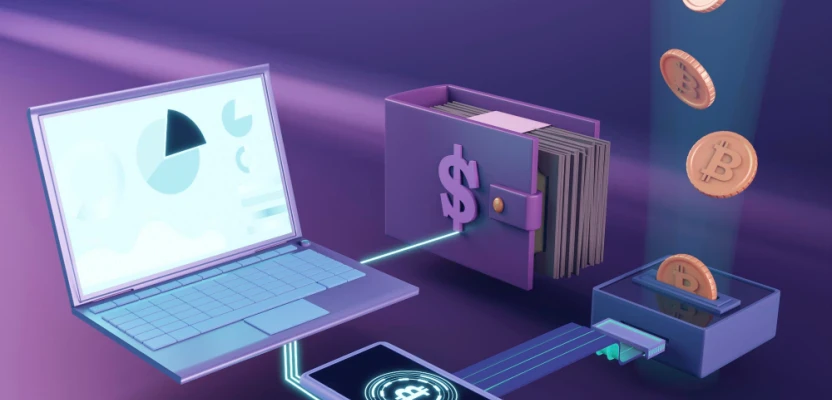
Your crypto wallet choice determines whether you keep your money or lose it to hackers. Here's the honest comparison.
What Wallets Actually Do
Crypto wallets don't store your coins, they store the private keys that control them. Lose the keys, lose the money. The question is where those keys live: on a physical device (hardware) or on your internet-connected phone/PC (software).
Hardware Wallets
Physical devices like Ledger Nano X and Trezor store keys offline, "cold storage." Transactions are signed inside the device; keys never touch the internet. Immune to malware, phishing and remote attacks. Costs $50-200. Downside: slower transactions, physical loss risk (mitigated by recovery phrases).
Software Wallets
Apps like MetaMask, Trust Wallet and Electrum store keys on your device, "hot storage." Fast, free, convenient for daily transactions and DeFi. But vulnerable to malware, phishing, and if your device is compromised, your keys are too.
The Verdict
Hardware for savings (long-term holds, large amounts). Software for spending (daily transactions, small amounts). The optimal setup: hardware wallet for bulk storage, software wallet with only what you need for active use.
The Mistake Everyone Makes
People put everything in software wallets because it's convenient, then lose it all to one phishing attack. Convenience is expensive when it costs you your savings.

Comments 0