
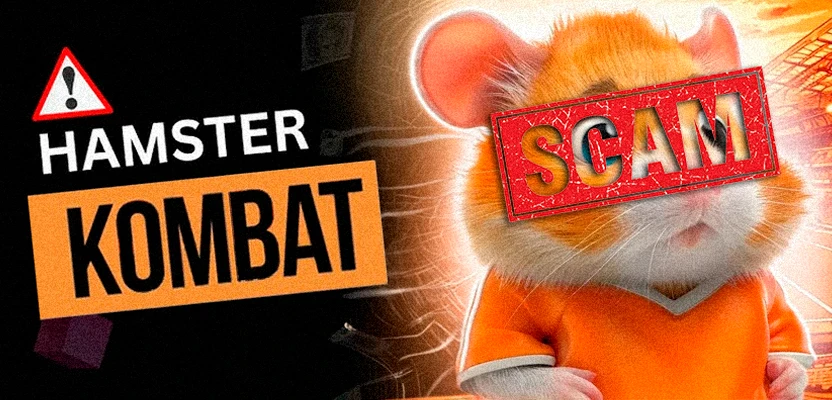
Hamster Kombat promised cryptocurrency rewards for playing games, then delivered ad-filled mini-games that paid pennies. Millions of players were scammed.
The Promise
The game launched with aggressive marketing: play battles, solve puzzles, earn crypto. Influencers promoted it heavily. The play-to-earn model was perfect timing, crypto was mainstream, play-to-earn was hot.
The Reality
Updates introduced low-quality third-party mini-games stuffed with ads. Players spent hours earning cents. The "crypto rewards" were virtually worthless. The developers were monetizing ad revenue, not paying players.
The Influencer Role
YouTube and Twitter influencers promoted the game without disclosing they were paid. When the scam became clear, they issued apologies, too late for players who'd invested time and money.
The Fallout
Social media backlash, demands for refunds, damage to the play-to-earn model's reputation. The trust built in crypto gaming was significantly eroded.
The Lesson
If it sounds too good to be true, play games, earn crypto, it probably is. Play-to-earn projects need scrutiny: who pays the rewards, what's the business model, and why would anyone give away money for playing?

Comments 1
Mil pimientos picantes