
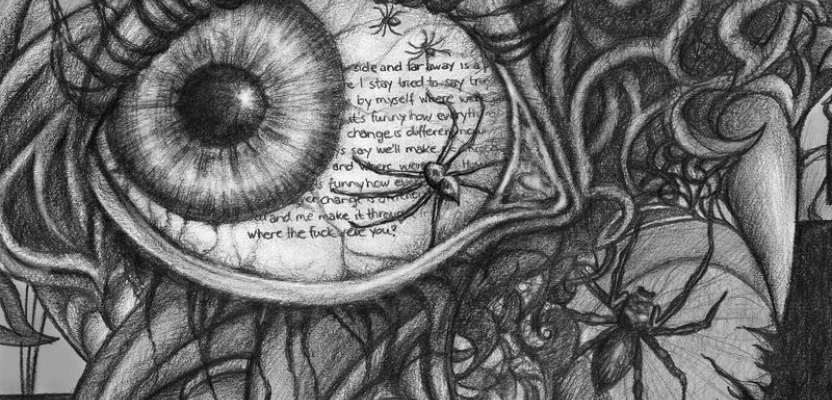
After months in the darknet, ordinary noises become threats, strangers' glances feel like surveillance, and a phone glitch means you're being monitored. This isn't just paranoia, it's your brain rewiring.
The Case Study
Andrew ran dead drops for three years. At first he laughed at peers checking shoes for bugs. Within a year, he was planning routes with five unnecessary turns, scanning faces on subways, flinching at unfamiliar cars. The behaviors became automatic, beyond conscious control.
The Neuroscience
Constant stress rewires the amygdala, the brain's threat detection system. A study of 150 darknet participants found 82% developed "operative paranoia", applying tradecraft in completely safe situations.
The Rule of Three
Real threats show patterns: tech anomalies (battery drain, self-activating phones), environmental surveillance (new "neighbors," utility workers), digital footprints (unexplained account activity). Ignore single incidents; watch for patterns.
Emergency Protocol
If threatened: unplug devices, prepare clean cash and documents, check cars for GPS trackers, scan for RFID tags, scrub digital footprints. The first 10 minutes are critical.
Staying Sane
Veterans develop mental hygiene: strict "normal life" time, journaling suspicious events, tech detox days, paper maps. The paradox: the most successful aren't those who never feel paranoia, they're those who control it.

Comments 0